Categories
Anorectal

What are the Non-Surgical Procedures for Pilonidal Sinus Disease?

What are the Non-Surgical Procedures for Pilonidal Sinus Disease?

Introduction

Pilonidal sinus disease (PSD) is a condition that can significantly impact a person’s quality of life. Traditionally, surgical intervention has been the go-to treatment. However, for those looking for less invasive options, non-surgical treatments can be effective and offer promising results. This blog explores various non-surgical procedures for pilonidal sinus disease, highlighting the expertise of Dr. S.K. Singh at Sushruta Ano-Rectal Institute, renowned for offering some of the best pilonidal sinus treatment options without surgery.
fissure

Understanding Pilonidal Sinus Disease

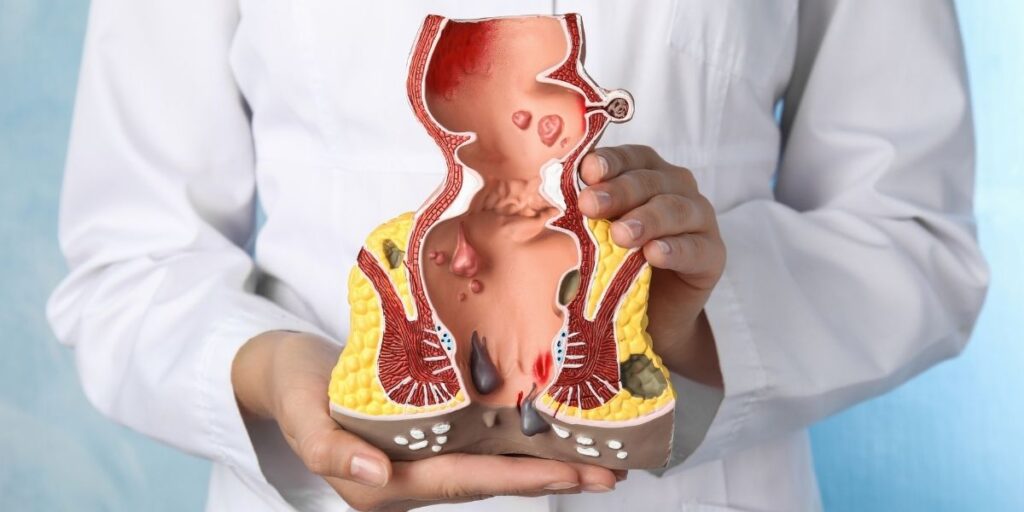
Pilonidal sinus disease involves the formation of a small, infected cavity or sinus at the base of the spine, often filled with hair and debris. This condition is more common in young adults and can cause discomfort, pain, and recurrent infections. While surgery is a common treatment, many individuals prefer to explore non-surgical methods.

Non-Surgical Treatments for Pilonidal Sinus Disease

  1. Medication and Topical Treatments
    Medications are often the first line of defense against pilonidal sinus disease. Antibiotics can help manage bacterial infections, while topical treatments can soothe irritated skin and reduce inflammation. Over-the-counter antiseptics and creams may also aid in keeping the area clean and free from infection.
  2. Laser Therapy
    Laser therapy is a modern approach that targets the pilonidal sinus with concentrated light beams. This treatment helps to reduce the size of the sinus, eliminate hair and debris, and minimize discomfort. It is a non-invasive option that promotes faster healing and reduces the likelihood of recurrence.
  3. Sitz Baths
    Regular sitz baths can provide significant relief for individuals suffering from pilonidal sinus disease. Soaking in warm water helps to reduce inflammation, cleanse the affected area, and ease pain. This simple yet effective method can complement other non-surgical treatments.
  4. Hair Removal Treatments
    Since pilonidal sinus disease is often exacerbated by hair growth, effective hair removal is crucial. Methods such as laser hair removal or electrolysis can permanently eliminate hair from the affected area, reducing the risk of recurrence and promoting healing.
  5. Lifestyle and Hygiene Adjustments
    Maintaining proper hygiene and making certain lifestyle changes can play a significant role in managing pilonidal sinus disease. Regular cleaning of the area, wearing loose-fitting clothing, and avoiding prolonged sitting can help prevent irritation and infection.

Why Choose Non-Surgical Treatments?

Non-surgical treatments for pilonidal sinus disease offer several advantages over traditional surgical options. Pilonidal sinus non-surgical treatment is less invasive, involves fewer risks, and often has shorter recovery times. For many individuals, this approach provides effective pilonidal sinus treatment without surgery, managing symptoms and improving quality of life without the need for extensive procedures.

Dr. S.K. Singh: Expert in Non-Surgical Pilonidal Sinus Treatment

When it comes to pilonidal sinus non-surgical treatment, Dr. S.K. Singh at Sushruta Ano-Rectal Institute is recognized as one of the best pilonidal sinus doctors in Delhi. His expertise in offering innovative, non-surgical treatments provides patients with effective options that align with their needs and preferences.

Dr. Singh’s approach to pilonidal sinus treatment without surgery is both comprehensive and patient-centered. He utilizes a range of non-invasive techniques tailored to individual cases, ensuring the best possible outcomes for his patients. His clinic, Sushruta Ano-Rectal Institute, is renowned for its commitment to providing the pilonidal sinus best treatment options, focusing on both immediate relief and long-term management.

Conclusion

Exploring non-surgical procedures for pilonidal sinus disease can be an excellent choice for individuals seeking less invasive treatment options. With methods ranging from medication and laser therapy to lifestyle adjustments, there are various ways to manage and alleviate symptoms effectively. Dr. S.K. Singh at Sushruta Ano-Rectal Institute stands out as a leading expert in this field, offering top-notch non-surgical treatments that cater to the unique needs of each patient.

If you’re struggling with pilonidal sinus disease and considering non-surgical options, consulting with the best pilonidal sinus doctor in Delhi could be your first step toward effective treatment and improved well-being. For personalized care and cutting-edge solutions, Dr. Singh’s expertise in pilonidal sinus treatment without surgery can provide you with the relief you need.

Feel free to reach out to Sushruta Ano-Rectal Institute to learn more about how non-surgical treatments can help you overcome pilonidal sinus disease and regain a better quality of life.

Read More: The Benefits of Fiber-Rich Diets in Anal Fissure Treatment

Categories
Anorectal

How to Handle Recurring Anal Fissures: Treatment Insights

How to Handle Recurring Anal Fissures: Treatment Insights

Recurring anal fissures can be a distressing and painful condition, often leading individuals to seek effective treatments. Understanding the causes, symptoms, and treatment options for recurring anal fissures is crucial for managing these conditions effectively. In this comprehensive guide, we’ll explore how to handle recurring anal fissures, highlighting the expertise of Dr. S.K. Singh at Sushruta Ano-Rectal Institute, renowned as the best fissure doctor in Delhi.

Understanding Anal Fissures

Anal fissures are small tears in the lining of the anus, often caused by passing hard or large stools. They can lead to severe pain, bleeding, and discomfort during bowel movements. While many fissures heal with simple self-care, others may become chronic or recurrent, requiring medical intervention.

Symptoms of Anal Fissures

  • Pain during and after bowel movements: This is usually severe and can last several minutes to hours.
  • Bleeding: Noticeable bright red blood on the stool or toilet paper
  • Itching or irritation around the anus: Persistent discomfort.
  • Visible crack or tear: An observable fissure in the skin around the anus.
  • Spasms: Tightening of the anal sphincter muscles.

Causes of Recurring Anal Fissures

Several factors can play a role in the recurrence of anal fissures:

Chronic Constipation: Straining during bowel movements can exacerbate or lead to fissures.

Chronic Diarrhea: Frequent loose stools can irritate and inflame the anal lining.

Inflammatory Bowel Diseases: Conditions such as Crohn’s disease can contribute to fissure development.

Previous Anal Surgeries or Injuries: Past surgeries or injuries in the anal region may increase the risk of recurrence.

Inadequate Blood Flow: Poor circulation in the anorectal area can hinder healing and contribute to recurrent fissures.


Effective Treatments for Recurring Anal Fissures

Managing recurring anal fissures requires a comprehensive approach that combines lifestyle changes, medical treatments, and, in some cases, surgical intervention.

1. Dietary Adjustments

To treat and prevent anal fissures, adjusting your diet is essential. These changes can help soften stool and minimize strain during bowel movements:

  • Boost Fiber Consumption: Add more fruits, vegetables, whole grains, and legumes to your meals.
  • Stay Hydrated: Ensure you drink sufficient water throughout the day.
  • Limit Processed Foods: Cut down on refined sugars and processed items to support digestive health.

2. Proper Bowel Habits

  • Avoid Straining: Don’t push hard during bowel movements.
  • Regular Schedule: Try to have bowel movements at the same time each day.
  • Clean Gently: Use soft toilet paper or wipes and avoid harsh soaps.

3. Topical Treatments

Topical medications can help relieve pain and promote healing.

  • Numbing Creams: Such as lidocaine to reduce pain.
  • Hydrocortisone Creams: To reduce inflammation.
  • Nitroglycerin Ointment: Enhances blood circulation to support healing and alleviate symptoms.

4. Medications

  • Calcium Channel Blockers: Such as nifedipine or diltiazem, to relax the sphincter muscle.
  • Botox Injections: To temporarily paralyze the sphincter muscle, allowing the fissure to heal.

5. Sitz Baths

Taking warm sitz baths multiple times a day, particularly after bowel movements, can help relax the anal sphincter, improve blood circulation, and alleviate discomfort.

Why Choose Dr. S.K. Singh and Sushruta Anorectal Institute?

Expertise and Experience

Dr. S.K. Singh is a leading fissure doctor in Delhi, known for his expertise in managing and treating anal fissures and other anorectal conditions. With years of experience and a patient-centered approach, he ensures comprehensive care tailored to each individual’s needs, offering the best fissure treatment in Delhi.

Comprehensive Care

At Sushruta Ano-Rectal Institute, patients receive holistic care that combines the best of modern medicine and traditional practices. From dietary advice to advanced surgical treatments, Dr. S.K. Singh and his team provide a full spectrum of services aimed at achieving the best possible outcomes.

State-of-the-Art Facility

Sushruta Ano-Rectal Institute is equipped with the latest medical technology, ensuring that patients receive cutting-edge treatments in a comfortable and supportive environment. The clinic’s commitment to excellence makes it a top choice for those seeking treatment for recurring anal fissures.

Conclusion

Managing recurring anal fissures requires a comprehensive approach that addresses both symptoms and underlying causes. From dietary changes and proper bowel habits to topical treatments and potential surgical interventions, there are various strategies to consider.

For those seeking expert care, Dr. S.K. Singh at Sushruta Ano-Rectal Institute offers unparalleled expertise and a patient-centered approach, making him the best fissure doctor in Delhi. By combining modern medical techniques with a holistic approach, Dr. S.K. Singh provides effective solutions for managing and preventing recurring anal fissures.

If you are experiencing symptoms of recurring anal fissures, don’t hesitate to seek professional help. Visit Sushruta Ano-Rectal Institute and consult with Dr. S.K. Singh, a leading fissure specialist in Delhi, to explore the best treatment options tailored to your needs. Your journey to recovery and relief from recurring anal fissures starts with expert care and comprehensive treatment at Sushruta Ano-Rectal Institute.

Read More : 10 Reasons Why You Should Not Choose Laser Treatment for Piles?

Categories
Anorectal

The Difference Between Anal Fissures and Constipation

The Difference Between Anal Fissures and Constipation

Understanding the difference between anal fissures and constipation is crucial for effective treatment and management of these conditions. While they are related and often occur together, they are distinct issues with their own causes, symptoms, and treatment approaches. Consulting with a specialized fissure doctor can provide clarity and appropriate care. Here, we’ll explore the differences between anal fissures and constipation, and how to address each condition effectively, including finding the best doctor for fissure treatment in Delhi.

What Are Anal Fissures?

Anal fissures are microscopic rips or fissures in the anus lining. They often cause sharp, severe pain during and after bowel movements, and can sometimes lead to bleeding. The primary cause of anal fissures is typically the passage of hard or large stools, which puts excessive strain on the delicate anal skin. Other factors such as chronic diarrhea, frequent bowel movements, or anal trauma can also contribute to the development of fissures.

Symptoms of Anal Fissures

  • Sharp pain during and after bowel movements
  • bright red blood leaking through toilet paper or into the stool
  • Itching or irritation around the anus
  • Visible tear or crack at the anal opening

What Is Constipation?

Constipation is a common digestive problem that is typified by hard, dry stools, infrequent bowel movements, or difficulty passing stools. It can lead to straining during bowel movements and discomfort. Constipation can be caused by a variety of factors, including inadequate fiber intake, dehydration, a sedentary lifestyle, and certain medications.

Symptoms of Constipation:

  • Bowel movements seldom (less than three times per week)
  • Difficulty passing stools or straining
  • Hard, dry stools
  • Abdominal discomfort or bloating

The Connection Between Anal Fissures and Constipation

Constipation is often a primary contributor to the development of anal fissures. When stools are hard and dry, they can cause significant strain during bowel movements, leading to tears in the anal lining. Therefore, managing constipation effectively is essential in preventing and treating anal fissures.

Constipation Fissure Treatment: Addressing constipation through dietary changes, increased fluid intake, and regular exercise can help alleviate the strain on the anus and reduce the likelihood of fissures. Additionally, using stool softeners or laxatives, under the guidance of a healthcare professional, can also be beneficial.

Seeking Professional Care

For those experiencing persistent pain or symptoms that suggest anal fissures, consulting a specialized fissure doctor is crucial. The best doctor for fissure treatment in Delhi will provide a comprehensive evaluation and tailored treatment plan, which may include both non-surgical and surgical options depending on the severity of the condition.

Fissure Permanent Treatment: Effective fissure Permanent treatment often requires addressing the underlying cause and providing relief from symptoms. Options for permanent treatment may include:

  • topical drugs to ease the anal sphincter and accelerate recovery
  • Botox injections to reduce muscle spasm
  • Surgical options, such as sphincterotomy, for severe cases

Finding the Right Doctor: If you are seeking the best doctor for fissure treatment in Delhi, look for a specialist with a proven track record in managing and treating anal fissures. Consulting with an expert ensures that you receive the most effective care for both anal fissures and related conditions.

Conclusion

Effective treatment and management require an understanding of the distinction between constipation and anal fissures. While constipation often leads to anal fissures, each condition requires specific approaches for relief and healing. Consulting a specialized fissure doctor and seeking the best doctor for fissure treatment in Delhi, such as Dr. S.K. Singh at the Sushruta Ano-Rectal Institute, can provide the necessary expertise to address these issues comprehensively.

By combining appropriate treatment for constipation with targeted fissure treatment, you can achieve relief from symptoms and improve your overall quality of life. For personalized care and the best possible outcomes, consider consulting with Dr. S.K. Singh, an expert in fissure treatment, who can guide you towards a healthier, more comfortable future.

Read More : How to Handle Recurring Anal Fissures: Treatment Insights

Categories
Anorectal

The Benefits of Fiber-Rich Diets in Anal Fissure Treatment

The Benefits of Fiber-Rich Diets in Anal Fissure Treatment

Anal fissures are small tears in the lining of the anus, often causing pain and discomfort. Finding relief and effective treatment for this condition is essential for a comfortable and healthy life. One of the most effective approaches to managing and treating anal fissures naturally is through a fiber-rich diet. Dr. S.K. Singh at the Sushruta Ano-Rectal Institute in Delhi, known for his expertise in non-surgical treatments, emphasizes the importance of dietary changes in the treatment of anal fissures.

Why Fiber-Rich Diets Are Crucial for Anal Fissure Treatment

Fiber rich foods play a significant role in the management and treatment of anal fissures. These foods help to soften the stool and promote regular bowel movements, reducing the strain on the anal region and allowing the fissures to heal more effectively. Here are some key benefits of incorporating fiber-rich foods into your diet:

  1. Eases Bowel Movements: A diet high in fiber helps to bulk up the stool and makes it easier to pass, which can minimize pain and discomfort during bowel movements.
  2. Prevents Constipation: Constipation is a major contributor to anal fissures. Fiber helps to maintain regular bowel movements, preventing the hard stools that can cause or aggravate fissures.
  3. Promotes Healing: By reducing strain and irritation during bowel movements, a fiber rich diet creates an environment conducive to healing.

Best Fiber-Rich Foods for Anal Fissure Treatment

Incorporating a variety of fiber rich foods into your diet can make a significant difference in managing anal fissures. These are a few of the greatest choices.

    • Fruits: Apples, pears, berries, and oranges are excellent sources of fiber.
    • Vegetables: Leafy greens, broccoli, carrots, and peas are rich in fiber and essential nutrients.
    • Whole Grains: High-fiber foods include whole wheat bread, brown rice, and oatmeal.
    • Legumes: Chickpeas, lentils, and beans are rich sources of protein and fiber.
    • Nuts and Seeds: Almonds, chia seeds, and flaxseeds can easily be added to meals for an extra fiber boost.

Expert Care from Dr. S.K. Singh at Sushruta Ano-Rectal Institute

If you’re looking for the best fissure doctor in Delhi, Dr. S.K. Singh at the Sushruta Ano-Rectal Institute is highly recommended. As a fissure specialist in Delhi, Dr. Singh is renowned for his non-surgical treatment methods, which include dietary management and lifestyle modifications. He focuses on natural treatments, ensuring that patients receive the best care without the need for invasive procedures.

Comprehensive Care and the Best Fissure Treatment in Delhi

  • Dr. S.K. Singh and his team at the Sushruta Ano-Rectal Institute provide the best fissure treatment in Delhi, utilizing a holistic approach that combines medical expertise with dietary recommendations. By incorporating fiber-rich foods for fissure treatment and other natural remedies, patients can experience significant relief and healing.

    If you’re seeking the best fissure doctor in Delhi or a fissure specialist in Delhi who emphasizes fissure natural treatment, consider consulting Dr. S.K. Singh at the Sushruta Ano-Rectal Institute. His commitment to non-surgical treatments and patient-centered care makes him a leading expert in the field. For more information or to schedule a consultation, visit the Sushruta Ano-Rectal Institute today.

Conclusion

Managing and treating anal fissures effectively involves more than just medication. A fiber-rich diet plays a crucial role in easing symptoms and promoting healing. Under the guidance of experts like Dr. S.K. Singh at the Sushruta Ano-Rectal Institute, patients can find relief through natural, non-surgical methods. Prioritizing fiber-rich foods for anal fissure treatment can significantly improve your quality of life and lead to a faster recovery.

Read More: The Difference Between Anal Fissures and Constipation

Categories
Anorectal

10 Reasons Why you should not choose Laser Treatment?

10 Reasons Why You Should Not Choose Laser Treatment for Piles?

Piles, also known as hemorrhoids, can be a distressing condition, leading many to seek effective treatment options. Laser treatment is one of the modern methods available, but it may not be the best choice for everyone. Here are ten reasons why you might want to consider alternatives to laser treatment, such as Ayurvedic piles treatment in Delhi. We also highlight the benefits of consulting a specialized Piles clinic Delhi, such as Sushruta Anorectal Institute, led by Dr. S.K. Singh in Rohini.

1. Risk of Post-Treatment Complications

One of the major concerns with piles laser treatment in Delhi is the potential risk of post-treatment complications. While laser therapy is minimally invasive, complications such as infection, bleeding, and delayed healing can still occur. Choosing a treatment that minimizes these risks, such as Ayurvedic piles treatment in Delhi, might be a safer option.

2. High Cost of Treatment

Laser treatments for piles can be quite expensive compared to traditional and non-invasive options. The cost of piles laser treatment in Delhi may not be affordable for everyone, and insurance coverage might be limited. Alternative treatments like Ayurvedic medicine often provide more cost-effective solutions without compromising on quality.

3. Not Suitable for All Types of Piles

Laser treatment may not be suitable for all types of piles or stages of the condition. In some cases, the severity of the piles may require a different approach. An Ayurvedic piles treatment in Delhi can be tailored to address a variety of conditions and stages, offering a personalized approach that might be more effective.

4. Potential for Recurrence

Even with advanced laser technology, there is a possibility of piles recurring after treatment. This can lead to additional treatments and ongoing costs. Choosing a treatment approach that focuses on prevention, such as those offered at a piles clinic in Delhi, might provide better long-term results.

5. Invasive Procedure

Although less invasive than traditional surgery, laser treatment is still an invasive procedure. For those seeking a non-invasive approach, Ayurvedic treatments provide natural remedies and lifestyle modifications without the need for invasive procedures.

6. Requires Recovery Time

Laser treatment for piles typically involves a recovery period during which patients need to avoid certain activities. This can affect daily life and work. If you prefer a treatment that allows you to return to your normal routine quickly, Ayurvedic piles treatment in Delhi might be a more suitable option.

7. Limited Availability

Not all medical facilities offer laser treatment for piles, and finding a reliable provider might be challenging. On the other hand, Ayurvedic treatments are widely available and can be accessed through specialized clinics like Sushruta Anorectal Institute, led by Dr. S.K. Singh in Rohini.

8. Potential Side Effects

Laser treatments come with potential side effects, including pain, swelling, and discomfort at the treatment site. Ayurvedic treatments focus on natural remedies with fewer side effects, offering a gentler approach to managing piles.

9. Lack of Personalization

Laser treatment may not always provide a personalized approach to individual needs. Treatments like Ayurvedic medicine are tailored to each patient’s unique condition, ensuring a more customized and effective solution.

10. Focus on Symptom Relief Rather Than Root Causes

Laser treatment primarily addresses the symptoms of piles rather than the underlying causes. Ayurvedic piles treatment in Delhi, however, takes a holistic approach by addressing both the symptoms and root causes, promoting overall health and preventing future issues.

Why Choose Dr. S.K. Singh and Sushruta Anorectal Institute?

For those considering alternatives to laser treatment, consulting Dr. S.K. Singh at Sushruta Anorectal Institute in Rohini offers a promising option. Dr. S.K. Singh is renowned for his expertise in Ayurvedic medicine and non-surgical treatments for piles. His patient-centered approach ensures that each individual receives a personalized treatment plan tailored to their specific needs.

Sushruta Anorectal Institute provides comprehensive care, integrating modern medical practices with traditional wisdom. By choosing this clinic, you benefit from a holistic approach that prioritizes natural healing and long-term health.

Conclusion

While laser treatment for piles can be effective for some, it may not be the best choice for everyone. Consider the potential risks, costs, and limitations associated with laser treatment and explore alternatives such as Ayurvedic piles treatment in Delhi. With the guidance of a skilled piles doctor, like Dr. S.K. Singh at Sushruta Anorectal Institute, you can find a treatment plan that aligns with your health goals and provides lasting relief. Contact Sushruta Anorectal Institute today to schedule a consultation and discover the benefits of a personalized, holistic approach to managing piles.

Read More : Top 5 Benefits of Ayurvedic Medicine for Treating Piles

Send Message!
Looking for Dr. S.K. Singh Consultation?
Sushruta Anorectal Institute
Suffering from Piles, Fissure or Fistula? Drop us your message, our team will contact you immediately.