Categories
Anorectal

Home Remedies for Fissures What Really Works?

Home Remedies for Fissures: What Really Works?

Introduction

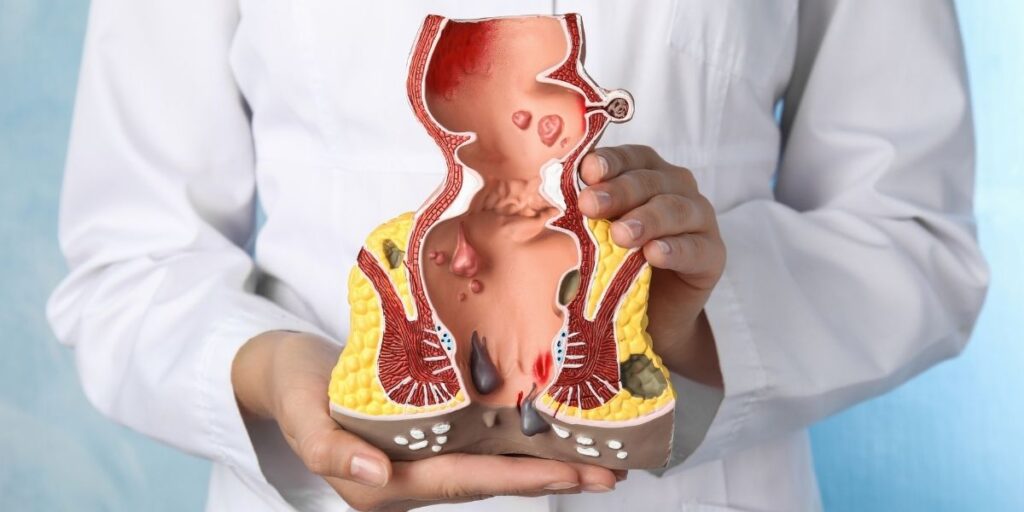
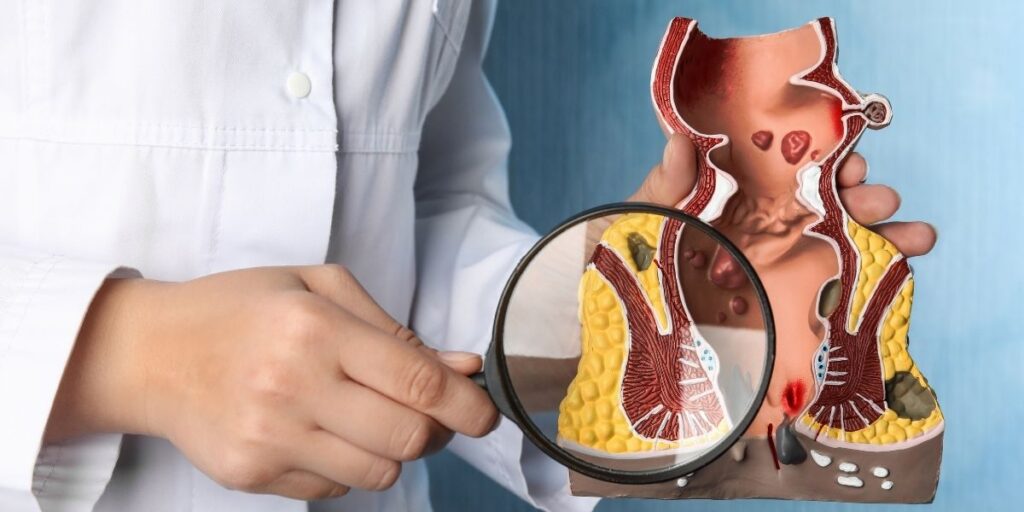
An anal fissure is a small tear in the lining of the anus, causing sharp pain and discomfort during and after bowel movements. These fissures can result from passing hard stools, chronic diarrhea, or anal trauma. While professional treatment is often required, we’ll discuss effective strategies for managing anal fissures at home. Explore how anal fissure treatment at home and fissure home remedies can aid in relieving symptoms and promoting healing.
Fissure

Understanding Anal Fissures


Anal fissures are painful tears in the anus lining, causing discomfort during bowel movements. Fissure treatment at home involves using home remedies for anal fissure like increasing fiber intake, drinking plenty of water, and taking warm sitz baths. Applying soothing agents like coconut oil or aloe vera can help alleviate pain and promote healing. Here’s how you can manage anal fissures with simple home remedies:

Effective Home Remedies for Fissures

1. Warm Sitz Baths

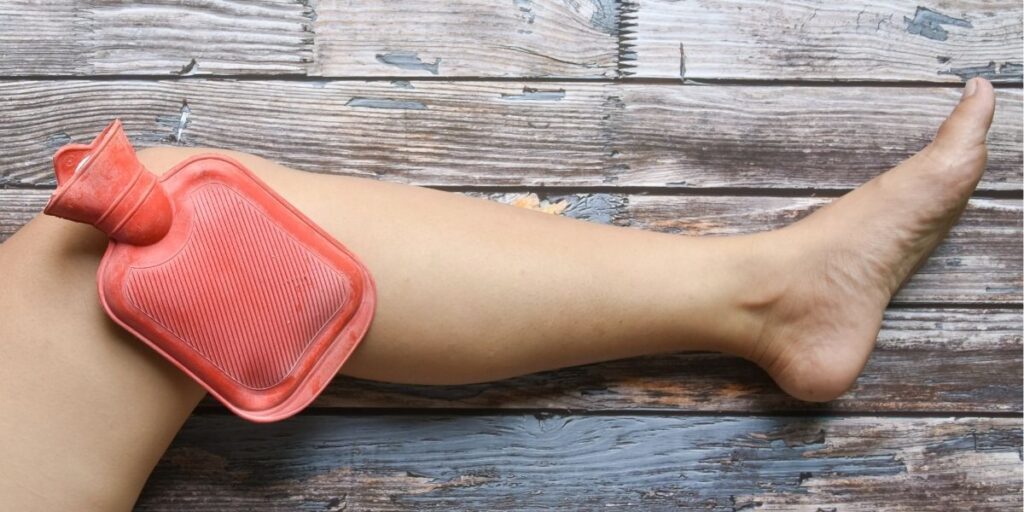
One of the simplest and most effective home remedies for fissures is taking warm sitz baths. Soaking the affected area in warm water for 15-20 minutes several times a day can help relax the anal sphincter, increase blood flow to the area, and relieve pain. This remedy promotes anal fissure healing and reduces discomfort.

2. Increased Fiber Intake

fiber food

Diet plays a crucial role in preventing and managing fissures. A diet rich in fiber can help soften stools and prevent constipation, which is a common cause of fissures. Incorporate fiber-rich foods like fruits, vegetables, whole grains, and legumes into your diet. Consuming adequate fiber ensures regular bowel movements and reduces strain during defecation.

3. Adequate Hydration

Drinking plenty of water is essential for maintaining soft stools and preventing constipation. Proper hydration supports overall digestive health and helps ease bowel movements, which can aid in the healing of fissures. Aim to drink at least 8 glasses of water daily.

5. Coconut Oil
coconut oil

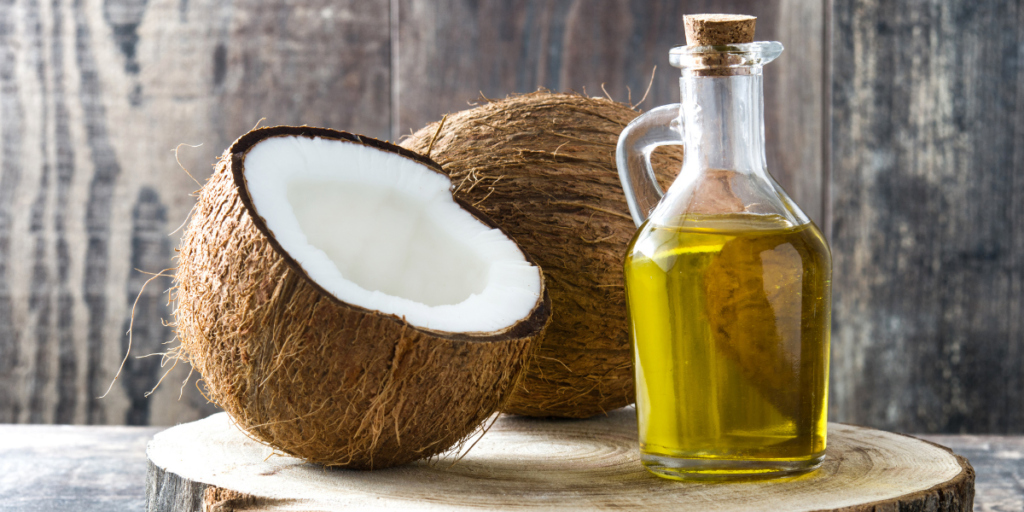
Coconut oil is known for its soothing and anti-inflammatory properties. Applying a small amount of virgin coconut oil to the affected area can provide relief from pain and promote healing. Its natural moisture helps keep the area lubricated and prevents further irritation.

5. Aloe Vera Gel

Aloe vera has been used for its healing properties for centuries. Applying fresh aloe vera gel to the fissure can reduce inflammation, soothe the area, and speed up the healing process. Its natural compounds help in reducing pain and promoting tissue repair.

6. Epsom Salt Baths

Adding Epsom salt to a warm bath can help relax the muscles and reduce inflammation around the fissure. Epsom salt contains magnesium sulfate, which can draw out toxins and promote healing. Soak in the Epsom salt bath for 15-20 minutes to relieve symptoms.

7. Avoiding Irritants

To support anal fissure healing, avoid using harsh soaps, scented toilet paper, and other irritants that can aggravate the condition. Opt for gentle, fragrance-free products to maintain comfort and prevent further irritation.

8. Regular Exercise

exercise

Regular physical activity can help prevent constipation and promote overall digestive health. Engaging in moderate exercise, such as walking or yoga, can aid in maintaining regular bowel movements and reduce the likelihood of fissures recurring.

Seeking Professional Care

While home remedies can be effective, persistent or chronic fissures may require professional treatment. If you’re struggling with a chronic fissure, it’s crucial to consult with a fissure specialist in Delhi. A knowledgeable specialist can provide personalized advice and recommend the best fissure treatment in Delhi.

Dr. S.K. Singh is a renowned best fissure doctor in Delhi, offering expert care for both acute and chronic fissures. At Sushruta Ano-Rectal Institute, Dr. Singh and his team are well-versed in managing anal fissures and providing comprehensive treatment plans tailored to individual needs. Whether you’re exploring home remedies or seeking advanced treatment options, Dr. S.K. Singh can guide you towards effective solutions.

Conclusion

Home remedies for fissures offer practical and natural ways to manage symptoms and promote healing. From warm sitz baths and increased fiber intake to coconut oil and aloe vera, these remedies can provide relief and support anal fissure healing. However, for chronic fissures or persistent symptoms, professional care from the best fissure specialist in Delhi, such as Dr. S.K. Singh, may be necessary to achieve complete recovery. By combining home remedies with expert guidance, you can address fissures effectively and improve your overall well-being.

If you’re seeking expert care for chronic anal fissures, consider consulting Dr. S.K. Singh at the Sushruta Ano-Rectal Institute for personalized treatment and relief.


Read More: How Do You Treat a Chronic Anal Fissure?
Categories
Anorectal

How Do You Treat a Chronic Anal Fissure?
How Do You Treat a Chronic Anal Fissure?
Understanding Anal Fissure

Chronic anal fissures can be a significant source of discomfort and distress, impacting daily life and overall well-being. These persistent tears in the lining of the anus often cause ongoing pain, bleeding, and discomfort, making effective treatment essential. Understanding how to address a chronic anal fissure and seeking the right medical expertise can lead to successful management and relief. In this blog, we’ll explore various methods for treating chronic anal fissures, including home remedies, medical treatments, and the importance of consulting a fissure specialist.

Fissure

What Is a Chronic Anal Fissure?

A chronic anal fissure is a tear or crack in the lining of the anus that has persisted for more than eight weeks. Unlike acute fissures, which heal relatively quickly, chronic fissures are resistant to conventional treatments and often require more comprehensive approaches for anal fissure healing. These fissures can be caused by factors such as chronic constipation, frequent diarrhea, or trauma to the anal area.

Effective Treatments for Chronic Anal Fissures

1. Lifestyle and Dietary Changes

Addressing underlying factors contributing to chronic fissures is crucial. Incorporating dietary changes and lifestyle modifications can help manage symptoms and promote healing.

  • Increase Fiber Intake: Eating a high-fiber diet helps to soften stools and prevent constipation, reducing strain during bowel movements. Include fruits, vegetables, whole grains, and legumes in your diet.
  • Stay Hydrated: Drinking plenty of water is essential for maintaining hydrated stools and preventing constipation.

Exercise Regularly: Regular physical activity can improve bowel function and reduce the risk of constipation.

2. Home Remedies

Several home remedies can provide relief and support the healing of chronic anal fissures.

  • Warm Sitz Baths: Soaking in a warm sitz bath for 15-20 minutes several times a day can help relax the anal muscles, alleviate pain, and promote blood flow to the area.
  • Topical Treatments: Applying natural remedies such as coconut oil or aloe vera gel can soothe the affected area and reduce inflammation.
  • Epsom Salt Baths: Adding Epsom salt to a warm bath can help reduce swelling and promote healing.

3. Medical Treatments

When home remedies and lifestyle changes are insufficient, medical treatments may be necessary.

  • Topical Medications: Prescription creams or ointments, such as nitroglycerin or calcium channel blockers, can help relax the anal sphincter and reduce pain. These medications promote healing by increasing blood flow to the fissure.
  • Botox Injections: Botox can be injected into the anal sphincter to reduce muscle spasms and promote healing. This treatment is often effective for chronic fissures that do not respond to other methods.
  • Surgical Options: In severe cases, surgical interventions such as sphincterotomy may be required. This procedure involves making a small incision in the anal sphincter to relieve pressure and allow the fissure to heal.

4. Consulting a Fissure Specialist

For chronic anal fissures, consulting a specialized fissure doctor can provide targeted treatment and comprehensive care. The best fissure doctor in Delhi can offer a range of advanced treatment options tailored to your specific condition.

  • Expert Assessment: A fissure specialist will conduct a thorough evaluation to determine the severity of the fissure and recommend appropriate treatments.
  • Personalized Treatment Plan: Based on the evaluation, a fissure specialist will develop a personalized treatment plan that may include a combination of lifestyle changes, medications, and surgical options.
  • Ongoing Care and Follow-Up: Regular follow-up appointments with a fissure specialist ensure that treatment is effective and allows for adjustments as needed.

Finding the Best Fissure Treatment in Delhi

If you are seeking the best fissure treatment in Delhi, look for a clinic or specialist with a proven track record in managing and treating chronic anal fissures. The best fissure treatment in Delhi combines medical expertise with a patient-centered approach, providing effective solutions for relief and healing.

  • Dr. S.K. Singh at the Sushruta Ano-Rectal Institute: Renowned as a leading fissure specialist in Delhi, Dr. S.K. Singh offers advanced chronic fissure treatment and non-surgical options. His comprehensive approach ensures that patients receive the best possible care for managing chronic anal fissures.

How to Cure Chronic Fissure Permanently

Achieving a permanent cure for chronic fissures requires a combination of effective treatments and lifestyle adjustments. Here’s how to approach permanent healing:

  • Address Underlying Causes: Managing factors such as chronic constipation or diarrhea is essential for preventing recurrence.
  • Follow a Comprehensive Treatment Plan: Adhere to the prescribed treatment plan, including medications, lifestyle changes, and follow-up appointments.
  • Seek Expert Care: Consult with a specialized fissure doctor to explore advanced treatment options and ensure that your condition is managed effectively.

Conclusion

Treating chronic anal fissures involves a multifaceted approach that includes lifestyle changes, home remedies, medical treatments, and expert care. By understanding how to address a chronic fissure and seeking the best fissure doctor in Delhi, you can achieve significant relief and promote healing. For personalized care and the most effective chronic fissure treatment, consider consulting Dr. S.K. Singh at the Sushruta Ano-Rectal Institute, renowned for his expertise in managing chronic fissures and providing the best fissure treatment in Delhi. With the right treatment strategy and expert guidance, you can work towards healing and improving your quality of life.

Read More: The Ultimate Guide for Pilonidal Sinus Treatment Without Surgery

Categories
Anorectal

Top Non-Surgical Fistula Treatment You Should Know About

Top Non-Surgical Fistula Treatments You Should Know About

Introduction

Fistula are abnormal connections between organs or vessels, often arising from infections, inflammation, or trauma. The most common type is the anal fistula, which forms between the anal canal and the skin around the anus. Fistula can cause significant discomfort and complications, making effective treatment essential. While surgery is often recommended for many cases, there are several non-surgical treatments that can be highly effective. Here’s a comprehensive look at some of the top non-surgical fistula treatments you should know about, including insights from the best fistula treatment in Delhi.

fistula

Understanding Fistula

A fistula is a passage or connection that forms between two areas that are not normally connected. In the case of anal fistula, they develop as a result of an infection in the anal glands that creates an abscess. Once the abscess drains, a fistula can form, leading to persistent symptoms such as pain, discharge, and irritation. Addressing these symptoms effectively often involves non-surgical approaches that focus on managing the condition and promoting healing.

Non-Surgical Treatments for Fistula

1. Fistula Treatment Without Surgery

For many patients, non-surgical methods can provide relief and manage symptoms effectively. Here are some top non-surgical treatments:

Fistula Seton Placement
A seton is a thread placed through the fistula tract to keep it open and allow continuous drainage. This method helps in managing the infection and promoting healing by preventing further buildup of pus. It is considered one of the best treatments for fistula without resorting to invasive surgery.

Fibrin Glue Injection
Fibrin glue is a type of adhesive that can seal the fistula tract. It is injected into the fistula to close it and promote healing. This treatment is minimally invasive and suitable for certain types of fistulas. It offers a non-surgical alternative for those seeking less invasive options.

Plug Procedures
Fistula plugs are biocompatible materials that are inserted into the fistula tract to block and close it. This method can be effective for certain types of anal fistulas and provides a non-surgical option that helps in the healing process.

2. Anal Fistula Treatment

Anal fistulas can be particularly challenging to manage. Non-surgical treatments include:

Antibiotics and Antiseptics
In some cases, antibiotics may be prescribed to control infection and reduce inflammation. Antiseptic solutions can also help in cleaning the area and preventing further complications.

Sitz Baths
Warm sitz baths can provide relief by reducing pain and promoting healing. Soaking the affected area in warm water helps to relax the muscles and improve blood flow, which can aid in the healing process.

Dietary Adjustments
A diet rich in fiber helps to prevent constipation and ease bowel movements, reducing strain on the anal area and preventing further irritation of the fistula.

3. Fistula Ayurvedic Treatment

Ayurveda offers various natural remedies that can complement traditional treatments. Some common Ayurvedic approaches include:

Herbal Remedies
Herbs such as Triphala, Turmeric, and Aloe Vera are known for their anti-inflammatory and healing properties. These can be used in various forms, such as topical applications or oral supplements, to support the healing of fistulas.

Dietary Recommendations
Ayurvedic dietary guidelines emphasize consuming foods that balance the body’s doshas and support digestive health. This includes foods rich in fiber, fruits, and vegetables, which can help in managing symptoms and promoting overall well-being.

Panchakarma Therapy
Panchakarma is a detoxification process in Ayurveda that involves various treatments to cleanse the body. It can be beneficial for individuals with chronic fistulas by reducing toxins and promoting healing.

Choosing the Best Doctor for Fistula Treatment in Delhi

When seeking non-surgical treatment for fistulas, consulting with an experienced specialist is crucial. The best doctor for fistula treatment in Delhi will have extensive experience in managing fistula conditions and will provide personalized care based on your specific needs.

Fistula Specialist Doctor in Delhi

A fistula specialist doctor in Delhi has the expertise required to offer both non-surgical and surgical treatment options. They can evaluate your condition and recommend the most effective non-surgical treatments, such as those mentioned above.

Fistula Disease Treatment: Finding the Right Approach

Selecting the right treatment for fistula disease requires a thorough understanding of the condition and available options. Non-surgical methods can be highly effective, particularly when tailored to the specific type and severity of the fistula. Consulting with a knowledgeable fistula specialist doctor in Delhi can help in developing a treatment plan that aligns with your health needs and lifestyle.

Conclusion

Managing a fistula effectively involves understanding the available treatment options and working with an experienced specialist. Non-surgical treatments such as seton placement, fibrin glue injections, and fistula plugs offer viable alternatives to traditional surgery, particularly for those seeking less invasive solutions. Ayurvedic treatments also provide a complementary approach to managing symptoms and promoting healing.

For the best fistula treatment in Delhi, consider consulting with a leading specialist who can offer comprehensive care and personalized treatment plans. Whether you’re exploring non-surgical options or seeking expert advice, the right treatment can significantly improve your quality of life and lead to successful healing.

If you are seeking effective treatment for fistula, consider consulting Dr. S.K. Singh at Sushruta Ano-Rectal Institute, renowned for his expertise in both non-surgical and comprehensive fistula care.

Read More: Home Remedies for Fissures: What Really Works?

Categories
Anorectal

The Ultimate Guide for Pilonidal Sinus Treatment Without Surgery

The Ultimate Guide for Pilonidal Sinus Treatment Without Surgery

Understanding Pilonidal Sinus

Pilonidal sinus is a condition where a small, infected cavity forms near the tailbone, often filled with hair and debris. While surgery and laser are usually recommended by the doctors for treating this problem. However, these are not the good choices for treating Pilonidal Sinus as the chances for recurrences are pretty high. Pilonidal Sinus can be treated without surgery in Ayurveda by using Ksharsutra therapy. Ksharsutra is a para surgical treatment and usually does not require any bed rest or hospitalization. The chances of recurrences of the disease with this treatment are comparatively very very low as compared to conventional surgeries and laser. The facilities of the Graded Ksharsutra is available in India only at Sushruta Anorectal Institute, the best pilonidal sinus hospital in Delhi.

Pilonidal Sinus

A pilonidal sinus is typically located at the top of the buttock cleft and can cause significant discomfort and pain. The condition arises when hair and debris become trapped in a small pit or cavity in the skin, leading to infection and inflammation. Common symptoms include pain, swelling, redness, and discharge of pus or blood.

For those seeking pilonidal sinus non-surgical treatment, several holistic and medical approaches can provide relief and potentially prevent the need for surgical intervention.

1. Maintain Proper Hygiene

Maintaining good hygiene is crucial for managing and treating pilonidal sinus without surgery. Keeping the affected area clean and free from infection is the first step in sinus treatment.

  • Clean the Area Regularly: Use mild, non-irritating soap and water to gently cleanse the affected area daily. Avoid using harsh soaps or scrubs that could exacerbate irritation.
  • Keep the Area Dry: After washing, ensure the area is thoroughly dried to prevent moisture buildup, which can worsen symptoms.

Proper hygiene helps reduce the risk of infection and can aid in the healing process, contributing to pilonidal sinus pain relief.

2. Use Warm Compresses

Applying warm compresses to the affected area can provide significant relief and assist in managing pilonidal sinus without resorting to surgery. The warmth helps to increase blood flow, reduce inflammation, and promote drainage of any accumulated pus.

  • How to Apply: Soak a clean cloth in warm water and apply it to the affected area for 10-15 minutes, several times a day. Ensure the compress is not too hot to avoid burning the skin.

Warm compresses are a simple yet effective way to relieve pain and promote healing by reducing inflammation and facilitating the natural drainage of the sinus.

3. Adopt a High-Fiber Diet

fiber food

Diet plays an important role in overall health, including the management of pilonidal sinus. A high-fiber diet helps maintain regular bowel movements, reducing strain and pressure on the affected area.

  • Fiber-Rich Foods:Fiber-Rich Foods: Include fruits, vegetables, whole grains, and legumes in your diet. These foods help soften stools, making bowel movements easier and less painful.

Maintaining a diet rich in fiber can prevent constipation and reduce the strain on the area affected by the pilonidal sinus, contributing to sinus treatment and overall comfort.

4. Consider Lifestyle Adjustments

Certain lifestyle changes can significantly impact the management of pilonidal sinus and contribute to sinus pain relief.

  • Avoid Prolonged Sitting: If possible, reduce the amount of time spent sitting, as prolonged pressure on the affected area can worsen symptoms. Use cushioning or ergonomic seating if sitting for extended periods is unavoidable.
  • Wear Comfortable Clothing: Choose loose-fitting clothing made from breathable fabrics to minimize irritation and allow the affected area to heal.

Making these adjustments can reduce pressure and irritation, supporting the healing process and helping to manage symptoms without surgery.

5. Consult a Specialist

For persistent or severe cases of pilonidal sinus, consulting a specialist is crucial. The best pilonidal sinus doctor in Delhi can provide expert advice on non-surgical treatment options and tailor a treatment plan to your needs.

  • Pilonidal Sinus Non-Surgical Treatment: Graded Ksharsutra is a treatment of choice for treating Pilonidal Sinus at Sushruta Anorectal Institite.
  • Personalized Care: A specialist can provide a comprehensive evaluation and recommend the most effective non-surgical treatments based on the severity of your condition.

Dr. S.K. Singh at Sushruta Ano-Rectal Institute is renowned for his expertise in non-surgical treatments for pilonidal sinus. As a leading pilonidal sinus doctor in Delhi, Dr. Singh offers a range of advanced non-invasive treatments designed to provide effective relief and support healing.

Conclusion

Managing pilonidal sinus without surgery involves a combination of proper hygiene, lifestyle adjustments, dietary changes, and targeted treatments. By adopting these holistic approaches, you can alleviate pain, reduce inflammation, and promote healing effectively. Consulting with a specialist like Dr. S.K. Singh at Sushruta Ano-Rectal Institute ensures that you receive the most appropriate non-surgical treatments tailored to your condition. Combining these methods with professional medical care can lead to significant improvement and relief from pilonidal sinus symptoms.

Read More: Top Holistic Approaches to Treating Anal Fissures

Categories
Anorectal

Top Holistic Approaches to Treating Anal Fissures

Top Holistic Approaches to Treating Anal Fissures

Introduction

Anal fissures, characterized by small tears in the lining of the anal canal, can cause significant pain and discomfort. While various medical treatments are available, holistic approaches offer natural, effective solutions that complement traditional care methods. Adopting holistic strategies can help manage symptoms, alleviate pain, and promote faster healing. Here, we explore some of the most effective holistic approaches for treating anal fissures.

fissure

1. Enhance Your Diet with Fiber

Dietary changes are one of the most impactful ways to address anal fissures holistically. A high-fiber diet is crucial in treating anal fissures because fiber helps soften the stool and reduces the strain during bowel movements. This is essential for both preventing and relieving fissure pain.

fiber foods

High-fiber foods include fruits like apples, pears, and berries, vegetables such as spinach, carrots, and broccoli, and whole grains like oats, quinoa, and brown rice. Legumes, including beans, lentils, and chickpeas, are also excellent sources of fiber. Incorporating these foods into your daily diet can help maintain regular bowel movements and reduce the discomfort associated with anal fissures.

Fiber helps improve stool consistency, making bowel movements less painful and preventing further irritation of the fissure. By easing the passage of stool, you can significantly reduce the strain and pain that exacerbates fissures.

2. Stay Hydrated

glass of water

Proper hydration plays a vital role in managing and healing anal fissures. Drinking sufficient water is essential for maintaining stool softness and preventing constipation, which can worsen fissure pain.

Aim to drink at least 8-10 glasses of water daily. Staying hydrated helps keep your digestive system functioning smoothly, making bowel movements easier and less painful. Water works in tandem with a high-fiber diet to ensure that your stool remains soft and manageable, thus providing effective anal fissure relief.

In addition to water, you might also consider herbal teas such as chamomile or peppermint, which can aid digestion and offer soothing effects. However, avoid caffeinated or alcoholic beverages, as they can contribute to dehydration.

3. Practice Sitz Baths

Sitz baths are a simple yet highly effective holistic treatment for anal fissures. This method involves soaking the affected area in warm water to alleviate pain and promote healing.

Fill a bathtub or a specialized sitz bath basin with warm water and soak the anal area for 10-15 minutes several times a day. The warmth helps relax the anal sphincter muscle, which can reduce pain and increase blood flow to the fissure, promoting healing.

Adding Epsom salts or baking soda to the bathwater can enhance the soothing effects. Epsom salts have anti-inflammatory properties that can help reduce swelling and discomfort, while baking soda can help neutralize irritants and provide additional relief.

Sitz baths are especially beneficial after bowel movements to help cleanse the area and reduce post-bowel movement pain. Regular use of sitz baths is a cornerstone of treating anal fissure discomfort and facilitating recovery.

4. Apply Natural Topical Remedies

Topical treatments can provide localized relief and support the healing process of anal fissures. Natural remedies offer soothing and anti-inflammatory properties that can help alleviate pain and irritation.

Aloe vera gel is known for its soothing properties and can be applied directly to the affected area to reduce inflammation and promote healing. Witch hazel is another natural remedy with anti-inflammatory and astringent properties that can help reduce swelling and discomfort. Coconut oil has moisturizing and healing properties that can soothe the anal area and aid in the healing of fissures.

When applying these remedies, ensure that the area is clean and dry. Gently apply the natural treatment with clean hands or a cotton swab to avoid further irritation. These topical treatments can be used in conjunction with other holistic methods to enhance anal fissure pain relief.

5. Maintain Proper Anal Hygiene

Good hygiene is crucial for preventing infection and reducing irritation in the anal area. Keeping the area clean and free from irritants helps support the healing process and prevents further complications.

After each bowel movement, gently cleanse the anal area with mild, unscented soap and water. Avoid using harsh soaps, wipes with alcohol or fragrance, or scrubbing the area vigorously, as these can cause additional irritation and worsen symptoms.

Pat the area dry with a soft towel rather than rubbing, and consider using a gentle, hypoallergenic moisturizer if dryness or itching occurs. Maintaining proper hygiene helps prevent infection and supports anal fissure relief.

6. Seek Professional Medical Advice

While holistic approaches can significantly aid in managing anal fissures, professional medical advice is often necessary for comprehensive treatment. Consulting a specialist can provide tailored care and ensure that you receive the most effective treatment for your condition.

If holistic methods are not providing sufficient relief, it is advisable to seek the expertise of a fissure doctor in Delhi. Dr. S.K. Singh at Sushruta Ano-Rectal Institute is renowned for his expertise in treating anal fissures with non-surgical methods. As one of the leading fissure specialists in Delhi, Dr. Singh offers a range of effective treatments designed to complement holistic strategies and address more severe or persistent cases.

Dr. Singh’s approach focuses on personalized care that integrates holistic methods with advanced non-invasive treatments. His expertise ensures that patients receive the best fissure treatment in Delhi, tailored to their specific needs.

Conclusion

Holistic approaches to treating anal fissures offer a natural and effective way to manage pain and support healing. By incorporating a high-fiber diet, staying hydrated, practicing sitz baths, applying natural topical remedies, and maintaining proper hygiene, you can address both the symptoms and underlying causes of anal fissures. Consulting a specialist like Dr. S.K. Singh at Sushruta Ano-Rectal Institute can further enhance your treatment plan, providing you with comprehensive care and the best fissure treatment in Delhi. Combining these holistic methods with professional medical guidance can lead to significant relief and a faster recovery from anal fissures.

Read More: How to Heal a Fissure Fast With 6 Tips?

Send Message!
Looking for Dr. S.K. Singh Consultation?
Sushruta Anorectal Institute
Suffering from Piles, Fissure or Fistula? Drop us your message, our team will contact you immediately.